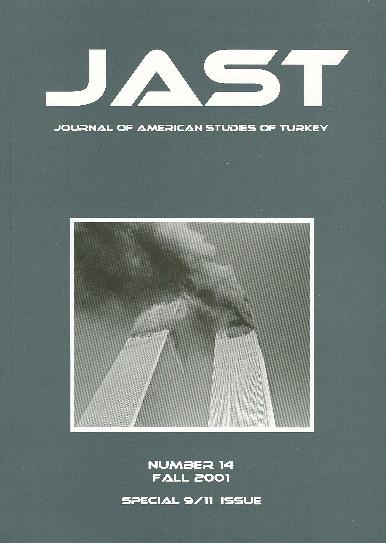
September 11, In Theory
Keywords:
September 11 attacks, rumors and misinformation, photographic evidence, philosophical interpretations, felsefi yorumlar, Jean BaudrillardAbstract
This article analyzes the proliferation of rumors and pseudo-information following the September 11 attacks, focusing particularly on the rumor of Satan’s Face appearing in the smoke from the World Trade Center. The paper explores how this rumor, among others, challenged the reliability of photographic evidence and placed supernatural interpretations at the heart of a secular event. The author contends that the rumor's ambiguity served as a metaphor for various post-9/11 interpretations, ranging from religious condemnations to political critiques. The article also reviews a series of monographs by European philosophers, including Jean Baudrillard, Paul Virilio, and Slavoj Žižek, and assesses their contributions to understanding the broader meaning of September 11. While Baudrillard and Virilio reiterate existing theories, Žižek alone provides a critical analysis specific to the events. The study examines the philosophical and cultural implications of these interpretations, highlighting the ossification of political and intellectual understandings in the aftermath of the attacks.
(The abstract and keywords were prepared retrospectively for indexing purposes using AI-assisted tools and editorial review, based on the original article. They did not appear in the original publication.)
References
Baudrillard, Jean. The Spirit of Terrorism and Requiem for the Twin Towers. London: Verso, 2002.
Virilio, Paul. Ground Zero Towers. London: Verso, 2002.
Žižek, Slavoj Welcome to the Desert of the Real!. London: Verso, 2002.